
January is when leaders make decisions that shape the rest of the year — often without realizing it.
Budgets are finalized.
Strategic priorities are set.
Succession conversations begin — sometimes formally, sometimes in passing.
And somewhere in those discussions is a familiar question:
Who on our team is ready for more this year?
Most CEOs and decision makers can identify their high performers quickly. They deliver results, solve problems, and take ownership. But leadership success isn’t determined by output alone — it’s determined by how someone leads people, navigates conflict, and makes decisions under pressure.
That’s where many organizations get caught off guard.
The Promotion Gap Most Leaders Don’t See Coming
Leadership challenges rarely explode overnight. They build quietly over time:
- A new manager avoids difficult conversations
- Team morale dips after a promotion
- Peer relationships become strained
- Confidence erodes — slowly at first
By the time the issue becomes visible, the cost is already high.
The mistake usually isn’t promoting someone too early.
The mistake is promoting them without preparation.
Leadership Isn’t a Skill You Absorb Automatically
Most leaders are promoted because they were exceptional individual contributors. What they’re rarely taught is how to:
- Lead former peers
- Balance results with relationships
- Communicate clearly under pressure
- Make decisions when there’s no perfect answer
We often assume leadership skills will “come with time.”
Sometimes they do. Often, they don’t.
Without intentional development, even the most capable people can struggle in leadership roles — not because they lack talent, but because they were never prepared for the human side of leadership.
Why Early-Year Preparation Matters
The first quarter of the year offers something rare: margin.
Before the year accelerates, leaders still have space to be intentional rather than reactive. It’s the window where preparation can happen before growth, pressure, and complexity test people.
As organizations move toward spring — and new leadership cohorts and development initiatives begin — it becomes clear that the most successful leadership transitions don’t happen because someone was “figured out later.”
They happen because someone was prepared earlier.
Organizations that invest in leadership readiness early tend to experience:
- Stronger internal leadership pipelines
- Higher engagement and retention
- Leaders who think and act with ownership
- Fewer costly promotion missteps
Not because their people are different — but because they were ready.
A Better Question for the Year Ahead
Instead of asking:
Who should we promote this year?
Consider asking:
Who needs preparation before their next step?
That shift changes outcomes — for the individual, the team, and the organization.
Because leadership success isn’t about titles.It’s about readiness.
The strongest organizations don’t leave leadership development to chance. They recognize that preparing leaders early isn’t an expense — it’s one of the most effective forms of risk management and long-term growth.
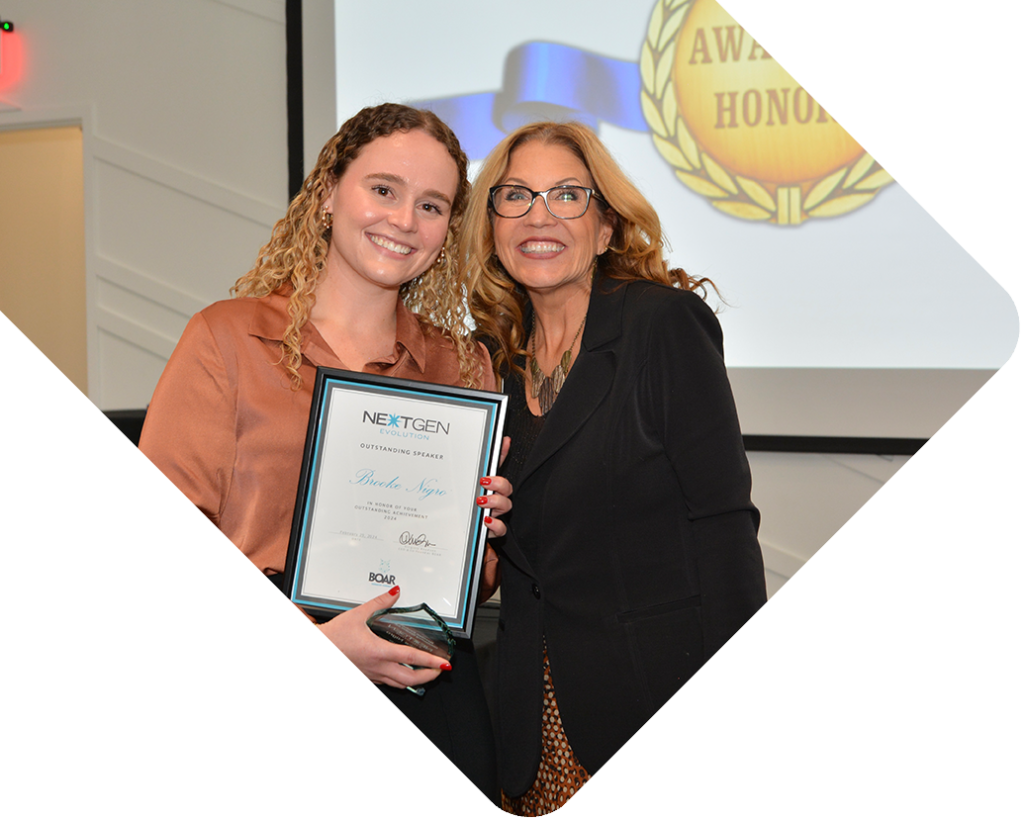
January is when those decisions quietly begin.This philosophy is at the heart of NextGen Evolution, BOAR’s year-long leadership experience focused on preparing emerging leaders before promotion, pressure, and people challenges expose the gap.